
Moving to China from USA: The Complete Guide for Families
Moving to China from USA can feel overwhelming when immigration decisions, family logistics, shipping arrangements, and unfamiliar customs procedures must...
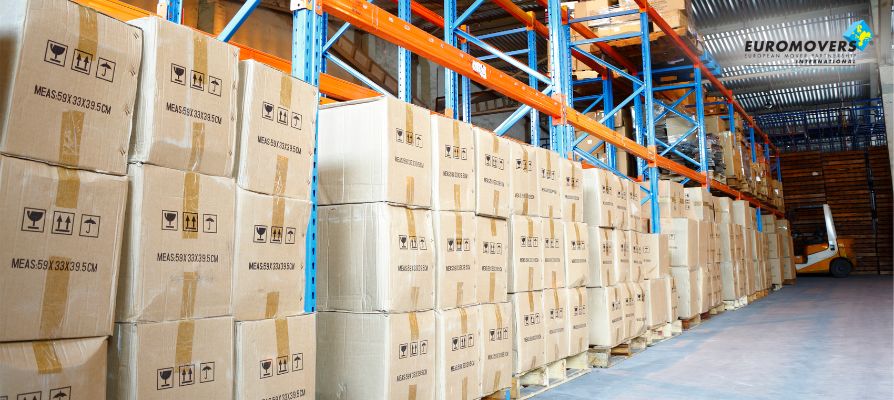
Storage solutions for moving abroad often become the difference between a move that feels controlled and one that turns chaotic. When you are leaving one country and starting again in another, not everything fits your travel dates, your new home, or your shipping timeline.
That is why smart storage planning matters as much as the move itself. In this article, we look at when storage helps, what to store, how to choose between short and long term options, and how to reduce risk while your belongings are in transit or waiting between homes.
Secure Storage solutions for moving abroad give households flexibility when departure and move-in dates do not align.
When people prepare for an overseas move, they often focus on flights, paperwork, shipping, and settling in. Storage is treated as an afterthought, but in practice it can solve several problems at once: delayed move-in dates, downsizing, temporary accommodation, staggered shipments, and items that are not needed immediately.
The right plan protects your belongings, helps you control costs, and reduces pressure during an already demanding transition. It also gives you more flexibility if your destination home is not ready, if your assignment changes, or if part of your household needs to move later than the rest.
Storage is often useful when your departure and arrival dates do not line up neatly. For example, you may leave your current home before your new lease or property is available, or your international shipment may arrive before you are ready to receive it.
Storage solutions for moving abroad should be planned alongside shipping rather than added at the last minute.
It can also help if you are moving from a larger family home to a smaller apartment, relocating for work on a trial basis, or managing a move in stages.
In these cases, storage acts as a buffer that keeps the move organised instead of forcing you to make rushed decisions.
The biggest mistake is assuming storage can be arranged at the last minute without affecting the rest of the move. In reality, the amount of storage you need, the type of unit or warehouse space, and how items are packed can all influence the overall plan.
Storage solutions for moving abroad can reduce pressure when the destination home is not ready.
If you decide too late, you may end up paying for avoidable transport, storing the wrong items, or placing goods in a facility that does not suit their condition, value, or required access level.
Storage solutions for moving abroad are not just about putting boxes in a room and locking the door. For international moving services , storage usually sits inside a wider logistics process that may include collection from your home, professional packing, transport to storage, inventory control, and later delivery to your destination.
Because every relocation is different, the best option depends on how long you need storage, what you are storing, and how often you may need access.
Approved EUROMOVERS Worldwide Alliance members can help coordinate these arrangements through a governed international network, so the storage phase fits cleanly into the broader move rather than becoming a separate problem.
Short term storage is usually the best fit when your destination home is only temporarily unavailable or your shipment timing is uncertain. It gives you flexibility without committing to a long holding period. As part of your moving abroad checklist, consider how long you may need storage, when you will need access to your belongings, and whether your storage dates align with your shipping and arrival schedule. Storage solutions for moving abroad help staged relocations remain organised across several move dates.
This is common when you are waiting for keys, bridging a gap between contracts, or arriving before furnishings and household goods can be delivered. In these situations, storage should be easy to access, carefully inventoried, and aligned with the rest of the relocation schedule.
Long term storage makes sense when you will not need certain items for months or even longer. This could include seasonal belongings, furniture that does not fit your new home, or items you want to keep safely until you decide what to do next.
The key consideration is condition over time. Good long term storage is not only about space; it is about stable handling, clear records, suitable packing, and protection against avoidable deterioration while the goods remain off-site. Storage solutions for moving abroad need to match the expected holding period and access requirements.
Warehouse storage is often used when goods need to stay in a controlled facility before being shipped onward or delivered later. It can be useful for complex relocations involving multiple legs, delayed occupancy, or staged delivery plans.
This option is especially valuable when you need professional oversight, inventory tracking, and a more structured environment than self-storage can usually provide. Storage solutions for moving abroad should distinguish short-term gaps from genuinely long-term needs.
Container storage can work well when belongings are packed in a way that supports movement, sealing, and temporary holding. For expats, it is often appealing because it can simplify the handover between origin and destination stages.
The important point is not the container itself, but whether the handling process is organised correctly. The packing method, loading sequence, labelling, and destination delivery all matter if you want the goods to arrive in the same condition they left.
How to Choose Safe Storage Solutions starts with a practical assessment, not with whatever option is easiest to book. The right fit depends on how long you need storage, how often you need access, the sensitivity of your belongings, and how storage fits into the wider moving route. For international moves, the right storage solution can also make downsizing easier without forcing rushed disposal decisions.
A good decision looks at what you are storing now, what you will need soon, and what may stay out of use for a long time.
That is where experienced international move coordinators add real value, because they can help you avoid mismatching the storage method with the actual relocation plan.
If your move is short and the gap is temporary, short term storage is usually the cleanest solution. If you are moving abroad for a long assignment or keeping belongings in reserve while you settle, long term storage may be more practical.
The mistake many people make is choosing only on price. A cheaper option can become expensive if it forces extra handling, repeated access, or unnecessary transfers between facilities. Storage solutions for moving abroad work best when goods are packed for time as well as transport.
Some items should stay closer at hand than others. Documents, sentimental valuables, and essential household items may need a different arrangement from furniture, spare household goods, or seasonal items.
If you expect to retrieve goods during the storage period, make sure access rules, retrieval times, and item records are clear before you commit. Storage solutions for moving abroad need accurate inventories from collection through final release.
Storage works best when goods are packed for storage, not just for transport. That means using suitable materials, labelling clearly, protecting fragile items, and reducing the risk of moisture, dust, pressure, or shifting during handling.
Items in poor condition before storage often come out in worse condition later. A sensible plan includes pre-storage checks and clear decisions about what is worth storing at all.
Safety in storage depends on more than locks and location. It starts with the way items are prepared, documented, handled, and monitored throughout the move.
For international relocations, this matters even more because your goods may pass through several stages before they are delivered. A controlled process reduces the chance of damage, confusion, and avoidable delays.
Packing for storage should be deliberate. Fragile items need protection that can tolerate time as well as movement, and furniture should be prepared so that pressure points, scratches, and moisture exposure are minimised. Storage solutions for moving abroad can use warehouse control when professional oversight is important.
When storage is part of an international relocation, professional packing is especially useful because it supports both customs-related handling and later delivery. The right packing also makes inventory control more reliable.
A detailed inventory helps you know what is stored, where it is stored, and how it should be returned. This is valuable whether you are storing a few rooms of household goods or an entire family shipment.
Storage solutions for moving abroad may use container storage when the wider transport flow supports it.
It also makes decision-making easier later. If you know exactly what has been placed into storage, you can avoid duplicate purchases, missing-item disputes, and unnecessary search time when the goods are released.
Not every item should be treated the same way. High-value goods, personal documents, electronics, and sentimental items often need additional care or a different handling plan.
In some cases, it may be better to carry these items personally, keep them with you, or store them only under clearly defined conditions. The safest answer depends on the item, its value, and how often you will need it during the move.
Storage solutions for moving abroad should be compared on handling quality, not price alone.
A storage solution should raise confidence, not create uncertainty. Be cautious if the provider cannot explain how goods are received, recorded, protected, accessed, and delivered later.
If the process sounds vague, if records are incomplete, or if handling responsibility is unclear between origin and destination, that is a sign to pause and ask more questions before handing over your belongings.
The best storage decision is based on practical questions, not assumptions. If you ask the right things early, you reduce the chance of surprise charges, access problems, or misunderstandings later. Storage solutions for moving abroad need clear rules for retrieval, notice periods, and additional charges.
This is where a structured international network can help. At EUROMOVERS Worldwide Alliance, approved members operate under shared standards and accountability, which is particularly valuable when storage is tied to a cross-border move and you want fewer unknowns in the chain.
Before you choose storage, ask how items will be collected, inventoried, packed, stored, and delivered. Ask what access is available, what handling rules apply, and how updates are managed if your moving dates change. Storage solutions for moving abroad should separate sensitive, valuable, and frequently needed items.
You should also ask whether the storage arrangement is designed for household goods, office items, or mixed contents, because not every storage setup is suited to every type of shipment.
When storage is part of an overseas move, responsibility can get diluted if too many unknown parties are involved. A governed network with approved members gives you clearer accountability at origin and destination.
That matters because your belongings are not just being stored; they are being managed as part of a wider international relocation journey. Clear standards reduce the chance of inconsistent handling between the first collection and the final delivery.
Storage solutions for moving abroad should make receiving, recording, access, and delivery responsibilities clear.
Before goods go into storage, it helps to sort them into three groups: items you need with you, items you definitely want stored, and items that should be reviewed or discarded.
This step saves money and space. It also prevents you from storing things you no longer need just because they were already boxed for the move.
Storage works best when it is integrated into the relocation plan from the start. Through the EUROMOVERS Worldwide Alliance network, approved member companies can coordinate storage as part of a door-to-door international move, helping you keep the process orderly from collection to final delivery.
Storage solutions for moving abroad work more reliably when approved members coordinate the wider move.
That approach is especially useful if you need secure storage solutions for movers who are handling a family household, an expat assignment, or a corporate relocation services. Rather than managing storage as a disconnected step, you can keep the same quality expectations and coordination mindset across the move.
International moves often fail at the handover points, not in the obvious places. A well-governed network helps reduce that risk by creating a clearer chain between origin, storage, and destination.
For you, that means fewer gaps in responsibility, more consistent standards, and better confidence that your belongings are being managed with the move as a whole in mind. Storage solutions for moving abroad can reduce unknown handoffs between collection, storage, and delivery.
Families often need storage when housing dates are uncertain or when they are moving in stages. Businesses may need it when office fit-out dates, employee relocation timing, or equipment rollout do not line up perfectly.
In both cases, the practical goal is the same: keep the move moving without rushing decisions that affect the safety of your belongings. Storage solutions for moving abroad need security measures suited to the goods, location, and storage period.
The most effective storage plan is not just a place to put goods. It is a controlled pause in the relocation process that preserves flexibility while protecting value.
If storage is planned well, it can reduce stress rather than add to it. That is the real benefit for anyone moving abroad.
euro According to Deep Market Insights analysis, the Germany Moving Services Market was valued at USD 5.86 billion in 2024 and is projected to reach USD 9.37 billion by 2033, growing at a CAGR of 5.36% during the forecast period from 2026 to 2033.
Storage solutions for moving abroad are most effective when they are chosen early, matched to the timeline, and managed as part of the wider international move. The best option is the one that protects your belongings, fits your access needs, and supports the way you are actually relocating.
If you are planning an overseas move, take time to compare short term storage international relocation needs, long term storage during overseas move requirements, and the handling standards behind each option.
Through the EUROMOVERS Worldwide Alliance network, approved members can help coordinate storage within a structured door-to-door process so your goods remain in safe hands throughout the journey. Storage solutions for moving abroad should include a release process that supports timely destination delivery.

This guide is produced and reviewed by the EUROMOVERS editorial team in coordination with accredited member companies across our global network. Rather than reflecting one mover’s view, it draws on shared standards and field experience from a European-founded alliance operating in 40+ countries under one governance model.
Stay updated with the latest news, tips, and insights from the world of relocation. Our blog shares expert advice, helpful guides, and stories to make your moving experience easier and more informed.

Moving to China from USA can feel overwhelming when immigration decisions, family logistics, shipping arrangements, and unfamiliar customs procedures must...

Best international moving networks are not simply lists of companies in different countries; they are operating relationships that help professional...

Global employee mobility becomes difficult when an employee’s move depends on disconnected suppliers, unclear responsibilities, or an unknown partner at...