
New road tunnel to open in London
Transport for London (TfL) has confirmed that the new Silvertown Tunnel will open on 7 April, 2025. The new tunnel,...
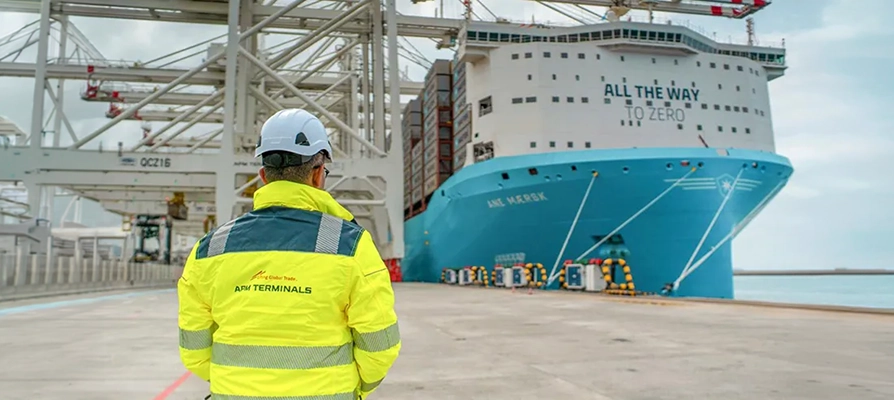
With the Gemini Cooperation, (an alliance between Maersk and Hapag-Lloyd planned for February 2025), Maersk plans to deliver a best-in-class ocean network with industry-leading reliability, reach, and speed. Key to achieving this ambition are the port terminals that will serve as hubs to connect the network’s 58 services and more than 6,000 port-to-port combinations.
The key hubs have been carefully chosen for their high levels of dependability and productivity which, the company says, will ensure smooth and seamless connections between services. These hubs will also allow for transportation routes to be optimised and for goods to reach distant destinations as efficiently as possible.
Maersk says that transhipment hubs correctly located can help increase the reliability, efficiency, and flexibility of a business’ supply chain. This allows them to facilitate cargo flows without inefficient sailing deviations.
As part of boosting reliability and better protecting the network from disruption, the mainline services will operate alongside dedicated shuttle services operated by Maersk. In addition, the network will primarily centre around hubs that are owned and controlled by either Maersk or its partner Hapag-Lloyd.
“The hubs will ensure smooth and seamless connections between our services,” said Kenni Skotte, Head of Ocean Network Product, Maersk. “Centring our network around hubs owned and controlled by Maersk or our partner means we will have more control over the operational management of the hubs. It also means we can invest in world-class systems and processes to ensure they perform to the highest level and deliver the reliability and speed necessary for our new network.”
APM Terminals is an owner of eight of the selected hubs for the new network. In the last two years, APM Terminals has invested in its terminals globally, and claims to have succeeded in cutting average vessel stay times by 15-20%. It is continuing to make improvements to achieve further reductions.
Maersk intends to use advanced technology, such as Internet of Things (IoT), digital twins, and artificial intelligence (AI), to help ensure the continuous improvement of the hubs’ reliability and efficiency.
Photo: Ane Maersk arriving at Tangier.
Read Also:
Stay updated with the latest news, tips, and insights from the world of relocation. Our blog shares expert advice, helpful guides, and stories to make your moving experience easier and more informed.
Transport for London (TfL) has confirmed that the new Silvertown Tunnel will open on 7 April, 2025. The new tunnel,...

According to a new paper by DNV issued on 21 October 2025, shifting environmental requirements are reigniting interest in nuclear...
Nord-Transport AG (“NT”) in Basel has become part of the Schneider Group. NT has strong local roots, acts globally and...